


Morocco is set to establish Africa’s largest aircraft engine assembly facility in partnership with France’s Safran Group, marking a significant leap in the country’s industrial development and the continent’s broader manufacturing landscape.
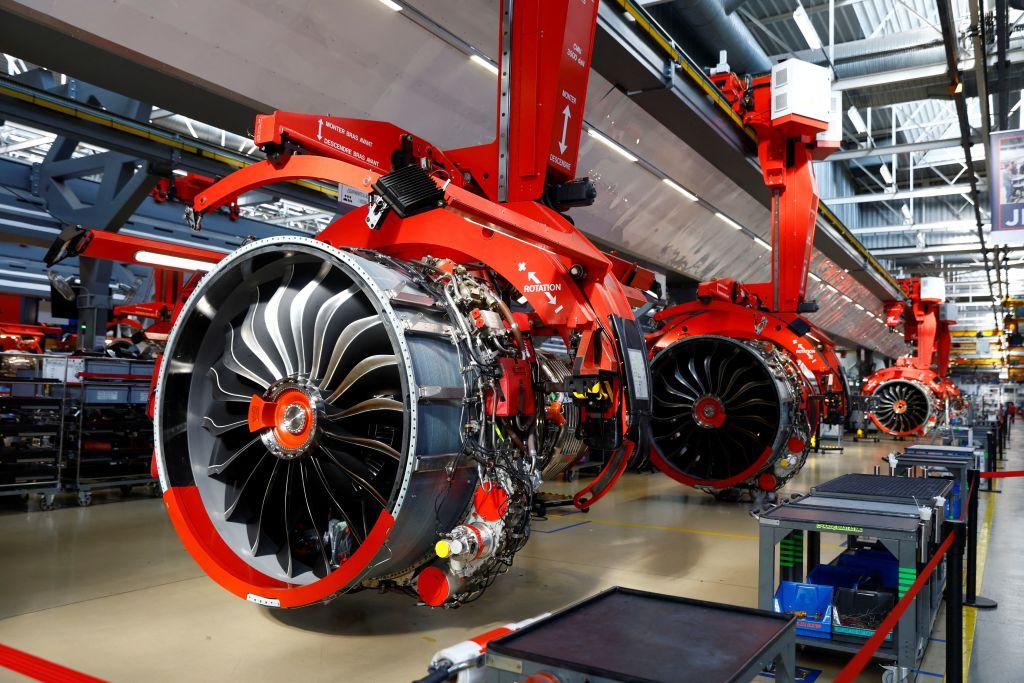
The new hub, located in the Midparc industrial zone in Nouaceur, will become the world’s second-largest production site for LEAP-1A engines, trailing only Safran’s Villaroche plant in France.
This development places Morocco among the select countries worldwide capable of assembling complete aircraft engines.
Industry and Trade Minister Ryad Mezzour announced the project during the third edition of Morocco’s National Industry Day (JNI) in Rabat, highlighting it as the culmination of 26 years of strategic industrial planning and visionary leadership under King Mohammed VI.
Previously, Morocco’s aerospace sector focused mainly on producing engine covers.
The new facility, however, will manufacture the entire engine, including the complex hot sections, representing a major technological and industrial advancement for the nation.
The €350 million investment will support a final assembly plant for LEAP-1A engines, used in Airbus A320neo aircraft, as well as a maintenance and repair facility.
Once completed, the hub is expected to create nearly 900 direct jobs by 2030.
The assembly plant will have the capacity to handle up to 350 engines annually, while the maintenance facility will service approximately 150 engines each year.
Safran has been an industrial partner of Morocco for almost 20 years, operating several facilities in the country that produce engine components, wiring systems, and provide MRO services.
Morocco’s recent aviation growth
Morocco’s aviation sector has experienced robust growth in recent years. Aerospace exports in 2024 surged 17.3% to MAD 21.86 billion ($2.1 billion), surpassing the previous year’s record.
The new Safran complex is expected to double the country’s aerospace exports and reinforce Morocco’s position as Africa’s leading aerospace hub and a critical player in the global aviation supply chain.
Minister Mezzour emphasized that the project signifies Morocco’s transition from a primarily assembly-based industrial model to full-cycle production and innovation.
See here: This Swedish Nanotech invention could solve Africa’s toughest energy and water problems
He credited the success of the aerospace sector to a long-term strategy focused on specialized workforce training, integration of renewable energy, and strong public-private partnerships.
Since 2021, Morocco’s industrial exports have more than doubled, with domestic investors now holding 70% of industrial share capital.
Ross McInnes, Chairman of Safran Group, praised Morocco’s stability and investment climate, stating, “We do not produce in Morocco, but with Morocco.”
Business executives, such as Chakib Alj, president of the General Confederation of Moroccan Enterprises, hailed Morocco’s achievements as evidence of the potential of well-coordinated public-private cooperation.
The opening of Africa’s largest airplane engine assembly hub represents a watershed moment for Morocco, cementing its status as the continent’s main aerospace hub.
With Safran’s support and a defined long-term industrial plan, Morocco is proving how innovation, public-private collaboration, and strategic investment can drive long-term industrial progress, establishing a new standard for Africa’s manufacturing future.
